Article written by Brielle Regdos for CDP
Every seasoned project manager knows that a construction site changes by the hour. Between sudden rainstorms, delayed deliveries, shifting crew schedules, and unexpected site conditions, a single day can throw a massive wrench into project schedules, labor productivity, and budgets. This is exactly why daily reporting is the backbone of managing field operations. More than just documenting what happened, daily reports provide the information project managers, finance teams, and executives rely on to monitor progress, manage risk, and make informed decisions throughout the project.
Daily Reports Are More Than Field Documentation
A daily log isn’t just boring paperwork to check off at the end of a hard shift, but your project’s ultimate source of truth. By capturing what happens on-site while it’s fresh, you create a clear record that connects the crew on the ground with the managers in the office. When completed consistently, daily reports create a historical record that supports project coordination, financial reporting, and accountability across the entire organization.
What Every Daily Report Should Capture
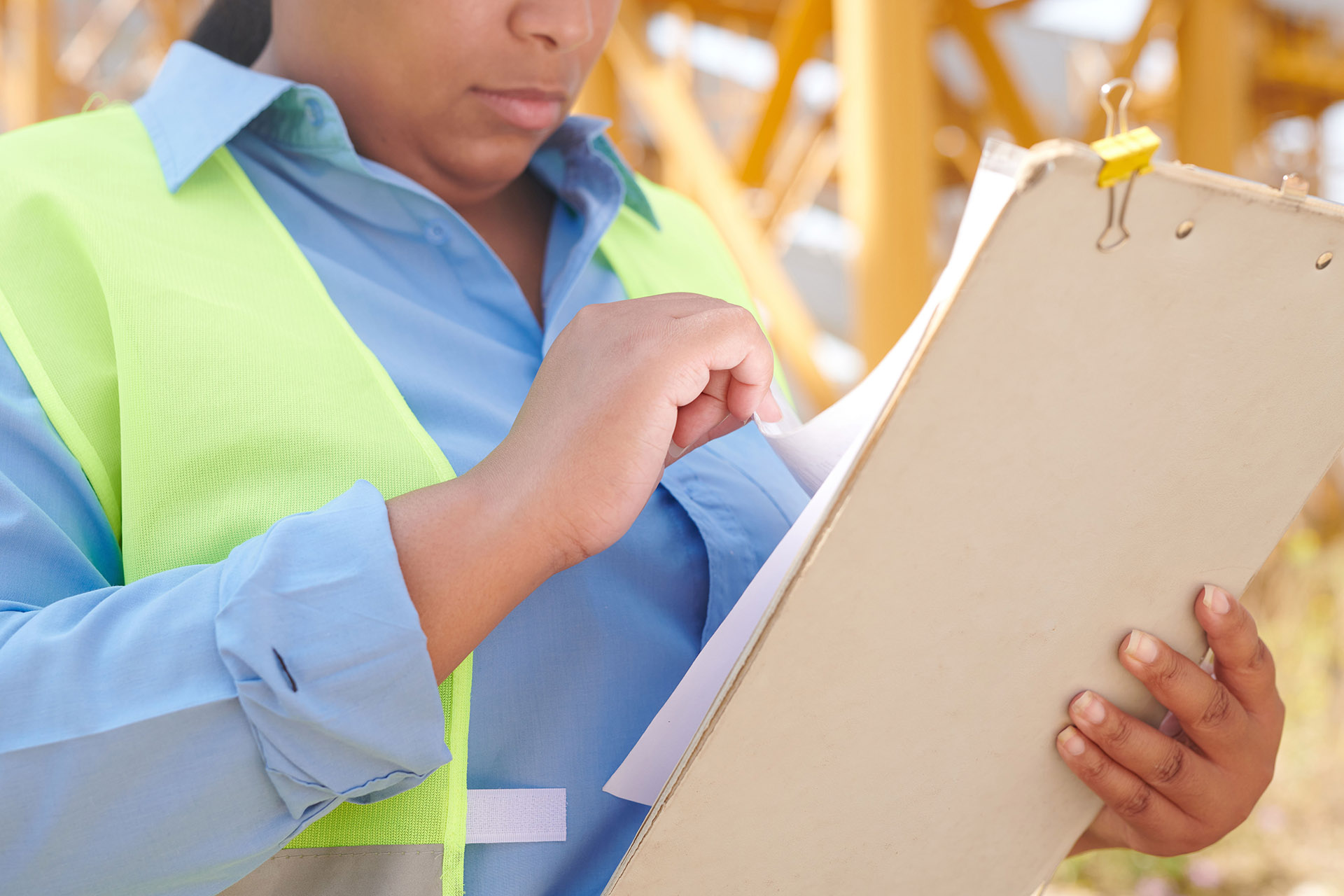
When done right, daily reporting turns chaotic notes into a powerful tool for staying on track. Field supervisors need to be specific:
- Exactly which crews were on-site
- The hours they worked
- What equipment was used
- Any unexpected roadblocks or safety issues
Additional details such as weather conditions, material deliveries, inspections, work completed, visitors, and progress photos provide valuable context that helps explain why work progressed as planned, or why it didn't. Over time, these reports reveal productivity trends, recurring delays, and emerging risks that may otherwise be undetected until they begin affecting schedules or budgets.
Consistency is just as important as completeness. When every project follows the same reporting process, organizations can compare productivity across jobs, identify recurring issues, and provide leadership with reliable project data. Standardized reporting also makes it easier to support audits, owner reporting, and internal performance reviews.
Real-Time Reporting Improves Project Visibility
Relying on memory or coffee-stained paper notebooks is a recipe for disaster. Switching to a mobile app allows superintendents to snap progress photos, note delays as they occur, record labor and equipment usage, and send the data to the cloud before they even leave the site. This gives project managers near real-time visibility into field activity, improves communication between the field and office, and helps managers identify issues before they become costly delays. Digital reporting also helps ensure information is captured consistently across projects. More importantly, faster access to accurate field data allows project teams to respond proactively instead of reacting after schedule or cost impacts have already occurred.
Documentation Protects Profitability
Beyond making daily life easier, good documentation is your best shield against arguments and financial headaches. Construction disputes are rarely won by who has the louder voice; they are won by who has the best proof. If a subcontractor claims they couldn't work because the site wasn't ready, or if an owner questions a bill, your daily reports are the bulletproof evidence that clears up the facts. They also provide critical support for change orders, schedule extensions, and work-in-progress reporting by documenting when events occurred and how they affected the project. Accurate daily reports help finance teams validate costs, support billing, and improve forecasting throughout the project lifecycle. By making thorough daily reporting a habit, contractors improve communication, protect profitability, strengthen accountability, and create the documentation needed to confidently deliver successful projects from groundbreaking through closeout.
Contact CDP to learn more about platforms to help you manage daily field reporting.